
Dr. Ghayoumi may recommend sinus lift and bone graft if a patient does not have enough bone to secure a dental implant in the back areas of the upper jaw. When teeth are lost in these areas, the sinuses often expand and compromise dental implant placement.
A sinus augmentation lifts the maxillary sinus to make room for more bone. This stimulates new bone formation, providing a stable foundation for dental implants.
Not only is it possible to address this deficiency, but it is usually straightforward. In the absence of the sinus lift procedure, patients who have lost alveolar bone in the upper jaw, for the most part, find it hard to get dental implants. Some patients have had a sinus lift at one stage of their dental implant placement program.
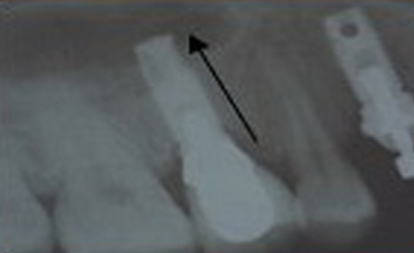
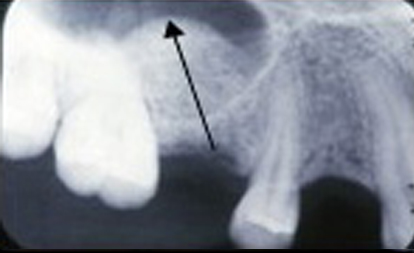
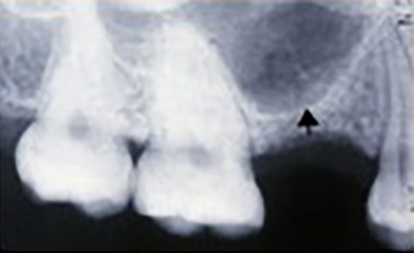
The dental implant sinus lift is popularly known as Sinus Augmentation. It is an advanced procedure that assists in preparing an upper jaw to hold precise placement of dental implants.
This surgery is necessary when there is insufficient bone in the maxilla, particularly when the sinus floor or Schneiderian membrane needs to be elevated, requiring bone grafting.
As a result, the dental implants get strong support in the form of a bone graft material (autogenous bone, allograft, xenograft, or synthetic materials).
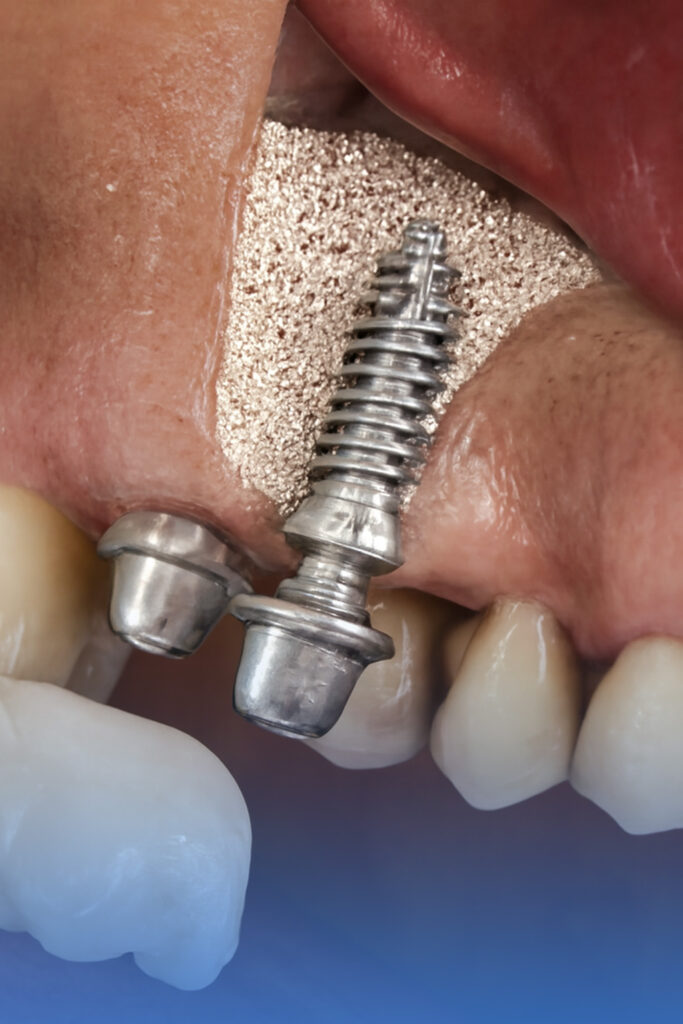

Dental implants are a suitable way to replace missing teeth. However, in some people, the dentist discovers through examination and photography that the jaw bone cannot support the implant.
For such people, sinus surgery is necessary. This procedure places the implant inside the jawbone more quickly, reducing complications after implantation.
For a sinus lift to be effective, sinus grafting is indispensable. This is a stage in a dental implant where the dentist positions or leverages bone or bone substitutes to the upper jaw near the sinuses.
The bone this graft creates fosters new bone growth that will allow dental implants to be securely positioned after the graft has fully integrated.
The only natural alternative to living without molars is to have dental implants. However, a nasal or sinus lift is necessary for people who opt to have dental implants on the upper back jaw.
One reason that leads to insufficient bone levels is tooth loss or even allergies. Also, it enables the fitting of the implants for form and use.
Dr. Ghayoumi’s use of several modern instruments and methods ensures proper performance of nasal lifts, offering the best services to patients undergoing dental implants.
If you are planning to receive dental implants, you should visit a dentist to determine if sinus lift surgery is necessary.
Doctor Ghayoumi is a periodontist specializing in sinus lift treatments and ensures that his treatment is done correctly to help guarantee that dental implants in the upper jaw are successful.
Everything You Need to Know
Usually, the sinus lift is done before implant placement because the bone needs a few months to grow, fuse, and become strong. Many studies show that it takes three months for the bone graft to harden and fuse fully.
Since the implant base must sink into the bone, it is best to let the graft set well before placing it.
However, depending on the size of the transplant and the patient’s condition, sinus lift and implant placement may be done simultaneously. Everyone’s situation is different, and the dentist must make decisions.
Before performing sinus lift surgery, some tests may be needed to evaluate the suitability of this procedure. These tests include:
If you want to replace your lost or damaged tooth in the upper jaw with an implant, but the jawbone at the back of the mouth near the sinuses is not enough, you may need to undergo this surgery.
The cause of bone deficiency in this area can be one of the following:
A sinus lift is performed in cases where the sinuses are too close to the upper jaw, and there is not enough space for the implant.
Those who have the following conditions may be prohibited from performing this procedure: