
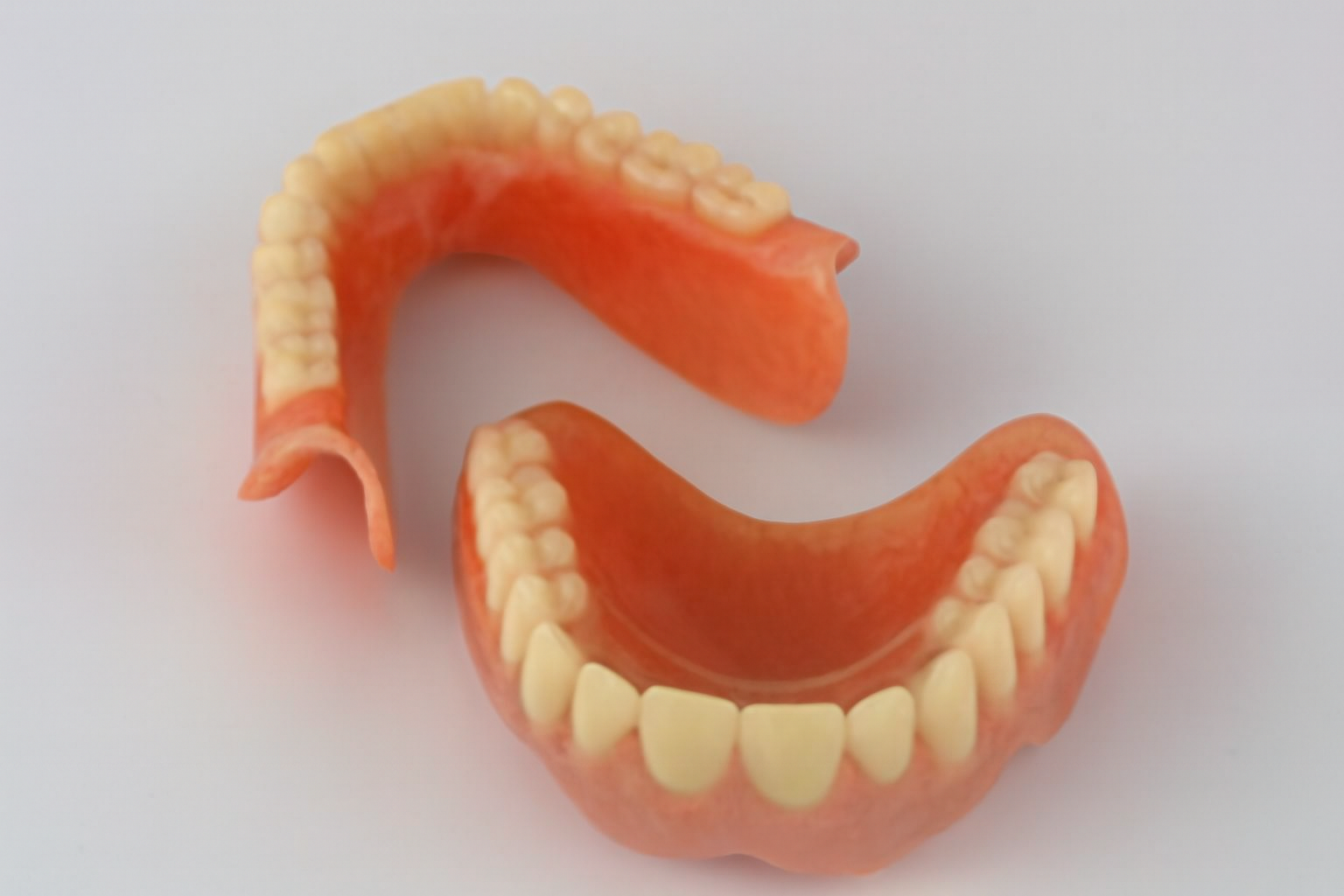

Many patients who rely on dentures notice improvements in their ability to chew and in their facial appearance. Yet the tissues beneath those dentures deserve careful attention too.
The gums and the underlying alveolar bone stay healthier when dentures are removed at night. Leaving them in during sleep creates ongoing pressure. It limits the natural recovery that oral tissues need.
Why You Should Avoid Sleeping With Dentures
Constant contact stresses the gingival tissue. Blood flow slows. Healing slows down. Over time this raises the chance of inflammation and other periodontal issues. Patients often feel tenderness in areas that never quite settle. Giving the mouth those quiet hours allows early healing stages to progress without interruption.
Can Sleeping With Dentures Cause Pneumonia?

A cohort study conducted by Nihon University in Japan found a clear association. Sleeping with dentures has been associated with an increased risk of pneumonia, with some studies suggesting the risk may be significantly higher.
Poor nighttime hygiene lets plaque build on the tongue and around the gums. Inflammation follows. Pathogenic fungi grow more easily. These organisms can travel into the respiratory tract during sleep and trigger infection.
Pneumonia develops when bacteria, viruses, or fungi settle in the lungs. In vulnerable individuals the consequences can become serious. Inflamed gums left covered overnight create an undisturbed environment for biofilm. Microorganisms then move more freely toward the airways.
Side Effects of Sleeping With Dentures

1. Gum Inflammation and Pain
Gums often turn red and sore. Dentures press steadily on soft tissue and the underlying jawbone. Circulation decreases. Recovery takes longer. Small sores appear. Some patients describe a burning sensation that lingers into the next day. Infections can develop if the irritation continues unchecked.
2. Higher Risk of Pneumonia
The same bacterial and fungal buildup that affects the gums also travels toward the lungs. Saliva flow naturally slows at night. Without dentures removed, clearance of debris drops. The bacterial load rises. Periodontal tissues already stressed become even more vulnerable.
3. Denture-Related Stomatitis
Denture-related stomatitis appears as redness and soreness across the palate. The roof of the mouth stays in direct contact with the denture base. Bacteria thrive in that warm, moist space. Patients who wear dentures day and night notice these symptoms more often. The soft tissues simply never receive a break.
4. Bone Loss and Jaw Changes
Bone beneath the denture gradually resorbs. Unlike natural teeth or implants, dentures deliver no stimulating force. Density decreases. The jaw shape slowly changes. Dentures that once fit well begin to rock or slip. Facial contours may appear altered, and many patients mention looking older than they feel.
In more advanced situations the lost bone volume makes future implant placement more challenging. Ridge augmentation or bone grafting sometimes becomes necessary to rebuild the foundation first.
How Dental Implants Compare
Implants sit inside the jawbone itself. They function as artificial tooth roots. Bone stays stimulated and volume is better preserved. Surrounding gum tissue receives healthier support.
Patients who have struggled with denture movement or ongoing irritation often find greater stability and comfort with implant-supported restorations.
Simple Steps that Protect Gum Health
- Take dentures out every night. Oral tissues finally rest. Pressure lifts from the gingiva and bone.
- Clean the dentures thoroughly before storing them. A soft brush and suitable solution remove debris and limit overnight microbial growth.
- Examine the gums each evening for any signs of inflammation. Look for any swelling, redness, or early recession. Early signs deserve prompt attention.
- Gentle gum massage may help improve circulation in some cases. Tissues feel less tender as they reorganize.
- Store dentures in fresh cleaning solution or lukewarm water. This prevents warping and keeps the material in good condition.
Conclusion
Gum health and bone support directly influence how comfortable and functional any tooth replacement stays over the years. Patients with persistent inflammation, recession, or noticeable bone loss may benefit from a periodontal evaluation.
Treatments such as gum recession repair, crown lengthening, or guided bone regeneration can restore stability. For suitable candidates, dental implants often provide the most predictable long-term outcome by preserving both hard and soft tissue architecture.
Patients who follow these nighttime habits notice fewer sore spots and greater overall comfort. The mouth simply feels calmer in the morning. Small daily choices like removing dentures protect tissues that work hard every day. When questions arise about ongoing tenderness or changes in fit, an experienced periodontist can guide the next steps with care.