

Common Dental Problems and Teeth Diseases
Teeth problems surface more often than most realize. Tooth diseases often develop silently. Dental problems disrupt daily comfort. Teeth issues affect confidence over time.
Tooth diseases progress without early warning in many cases. Dental problem after dental problem builds when prevention slips. Tooth problems accumulate from small habits ignored.
Twice-daily brushing paired with daily flossing stops a surprising share of these concerns. Balanced nutrition bolsters defense. Regular professional checks reveal subtle shifts before escalation.
In practice certain patterns repeat frequently. Mild cases respond to simple adjustments. Advanced ones threaten gum stability, bone support, or tooth longevity when left unchecked.
Here follow nine prevalent dental concerns — each with clear signs, underlying factors, and realistic management paths.
1) Tooth Decay

Cavities lead as the most widespread dental issue. Patients frequently arrive primarily for decay treatment. Nearly everyone faces it eventually.
Bacteria consume sugars from meals. Acid production erodes enamel steadily. Once the surface breaches, damage accelerates inward. Food traps between teeth. Dark spots emerge on visible areas. Sharp pain announces deeper involvement.
Severity dictates approach — fillings repair minor damage. Crowns or root canal therapy handle moderate cases. Extraction plus implant or bridge follows advanced loss. Consistent brushing twice daily, thorough flossing, and scheduled evaluations cut risk sharply.
2) Gum Disease

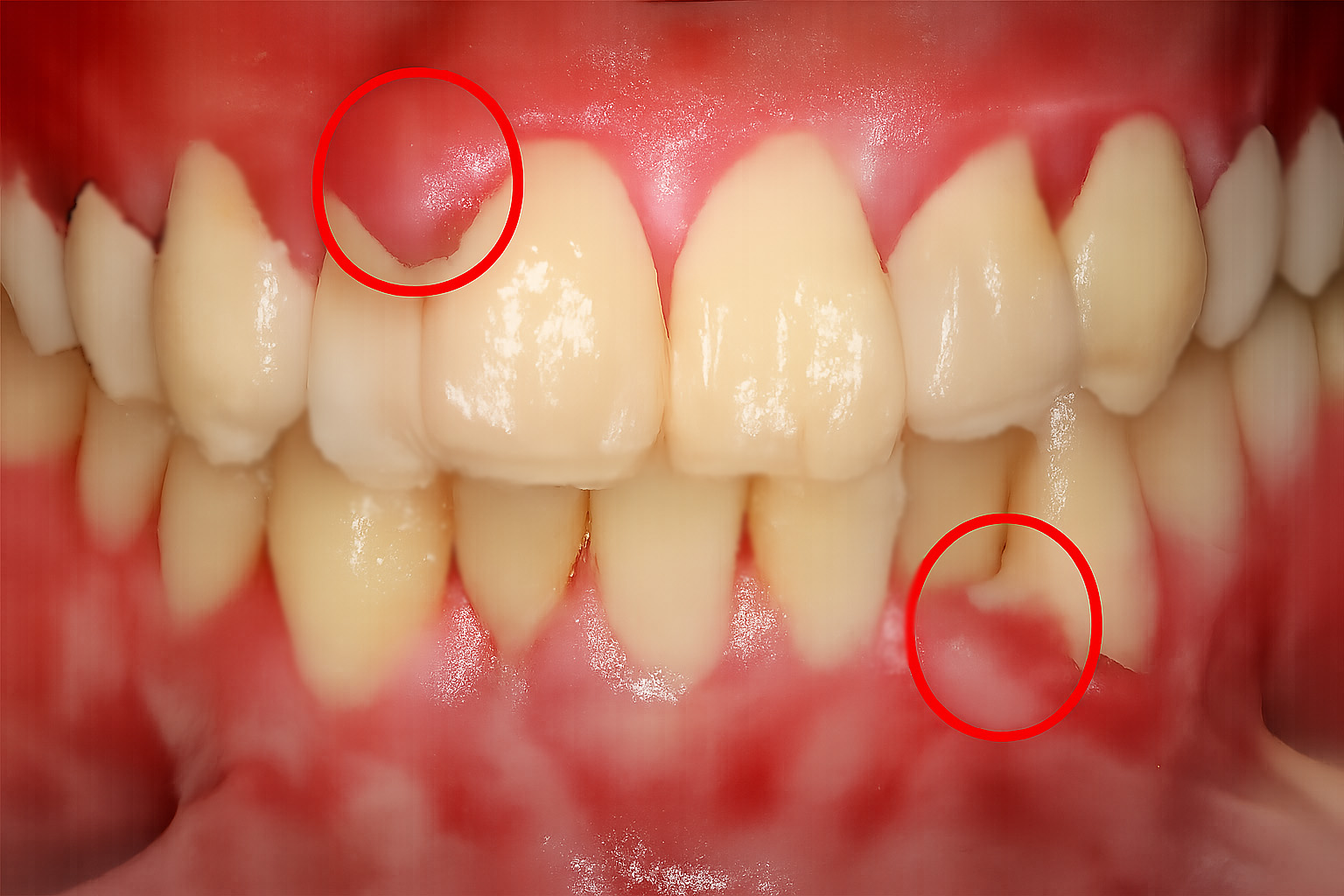
Gum disease is among the most common recurring dental problems. Gingivitis marks the initial mild stage — plaque bacteria trigger it. Gums redden. Swelling appears. Bleeding occurs on brushing or eating. Persistent bad breath often joins these changes.
|
Early gingivitis deceives with minimal pain. Untreated, it advances to periodontitis. Infected plaque erodes supporting bone and connective tissue. Gums recede. Teeth loosen. Odor intensifies.
Smoking speeds progression. Pregnancy hormones increase vulnerability. Diabetes slows healing. Periodic periodontal exams monitor pocket depths, bleeding on probing, and attachment levels — detecting changes before irreversible bone loss occurs.
3) Bad Breath
Halitosis frustrates many facing teeth issues. Poor hygiene frequently underlies it. Dry mouth contributes. Medications reduce saliva. Infections or reflux add complexity.
Thorough assessment identifies the root cause. Targeted care — starting often with improved routines and professional cleaning — brings marked relief.
4) Sensitive Teeth
Dentin hypersensitivity develops as enamel wears or gums recede. Hot, cold, sweet, or acidic triggers provoke sudden sharp pain. Exposed tubules transmit sensations directly to nerves.
Gum recession commonly drives sensitivity in teeth problems like this. Decay, cracks, worn fillings, acidic erosion, or aggressive brushing play roles. Some inherit thinner enamel naturally.
Desensitizing toothpastes seal tubules gradually. Professional fluoride applications strengthen surfaces. Recession-related cases benefit from gentle periodontal coverage — restoring protection and easing exposure effectively.
5) Cracked or Broken Teeth

Cracks or fractures can result from impact, hard biting, or chronic grinding. Enamel fatigues. Cracks spread. Pain varies — sharp or dull.
Prompt evaluation prevents extension or infection. Crowns reinforce integrity. Bonding seals minor defects. Early action preserves the natural tooth most times.
6) Gum Recession
Exposed roots signal recession — a frequent yet serious dental problem. Roots lack enamel protection. Sensitivity rises. Decay risk climbs. Appearance suffers. Severe recession endangers stability.
Over-brushing injures marginal tissue. Hard brushes accelerate wear. Poor plaque control sparks inflammation. Genetics predispose some. Smoking limits healing blood flow.
Mild recession improves with softer techniques and better hygiene. Advanced cases respond to coverage — gum grafts or the Pinhole Surgical Technique offer root protection without incisions or sutures, allowing quick recovery.
7) Root Infection

Bacteria penetrate pulp through deep decay, cracks, or trauma. Infection spreads. Abscess forms. Throbbing pain endures. Chewing worsens it. Sensitivity heightens. Swelling sometimes spreads.
Root canal therapy removes infected material. Anesthesia keeps comfort high. The procedure saves the tooth reliably in most situations. Delay risks bone involvement — timely care proves crucial.
8) Tooth Enamel Erosion
Acidic exposure erodes enamel over time. Frequent sodas, citrus, or snacking intensifies it. Color darkens. Texture roughens. Teeth weaken structurally.
Reducing acids helps limit further loss. Gentle brushing prevents added abrasion. Fluoride bolsters remaining enamel. Extensive erosion may require protective restorations.
9) Teeth Grinding
Bruxism often occurs asleep. Clenching happens awake too. Enamel flattens. Fractures increase. Jaw muscles tire. Headaches follow. Ear discomfort appears.
Night guards protect tooth surfaces from grinding damage. Stress approaches reduce frequency. Significant wear sometimes needs restorative rebuilding for function and form.
Conclusion
Teeth problems, teeth diseases, dental problems, teeth issues, tooth diseases, dental problem, tooth problems — these touch confidence, comfort, and health deeply. Early attention changes trajectories.
Symptoms call for immediate professional review. Customized preventive care — matched to personal risk — stops progression and guards periodontal tissues.
Our practice brings specialized periodontal insight to every visit. Preventive maintenance and early intervention form the foundation.
When required we provide targeted solutions: the Pinhole Surgical Technique for recession repair without cutting, crown lengthening for aesthetic balance, lip repositioning to address gummy smile, ridge augmentation and sinus lift with grafting, bone grafting as needed, and precise dental implant placement. Gum health and assured smiles emerge achievable and lasting.
Sources:
https://www.ada.org/resources/ada-library/oral-health-topics/periodontitis
https://www.cdc.gov/oral-health/about/cavities-tooth-decay.html
https://aasm.org/
https://www.health.harvard.edu/
2 Comments
Good 😊
Appreciate it! Check out our blog section for more useful articles about dental health. Blog