
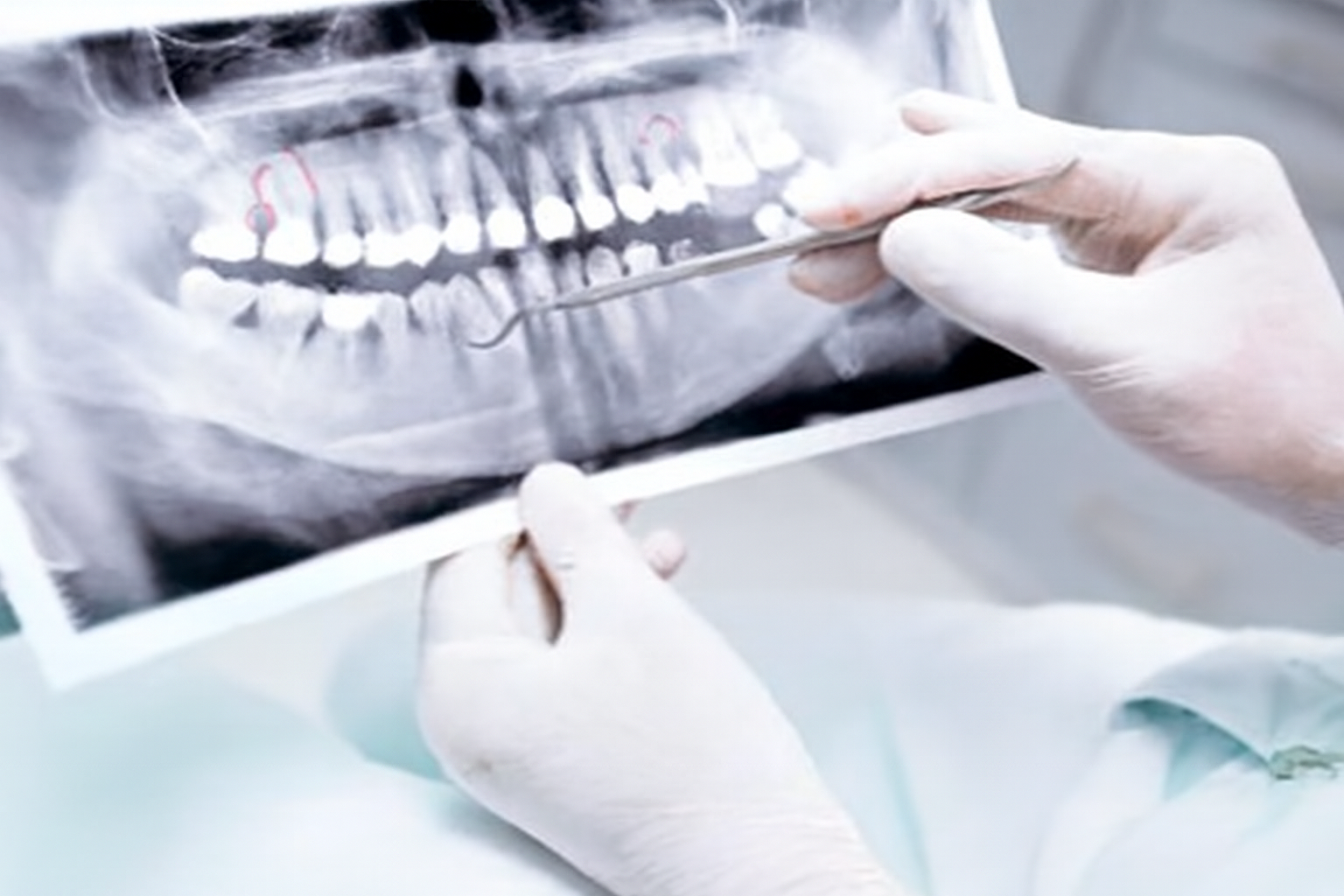

Regular dental visits anchor long-term oral health. Adults usually gain most benefit from check-ups two to three times each year. Frequency shifts, though. Hygiene patterns, diet choices, age-related changes, medications, and underlying medical conditions all influence how often professional oversight really protects the gums and supporting structures.
In practice I frequently witness how postponed or inconsistent visits allow quiet gum inflammation to evolve into recession, attachment loss, or visible excessive gingival display that later calls for more complex periodontal intervention.
Below stand eight situations where increased frequency — often quarterly — markedly lowers risk and preserves periodontal stability.
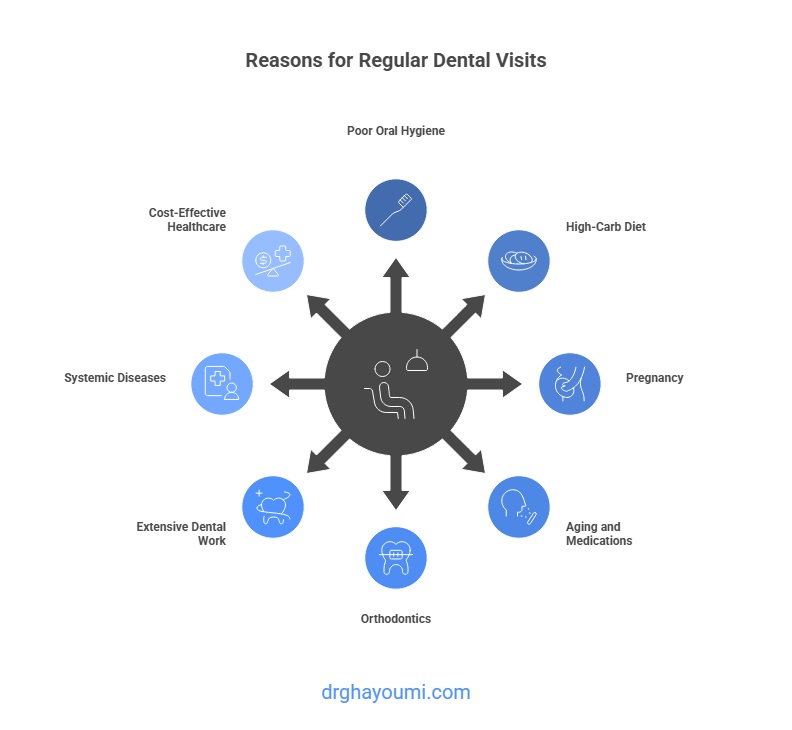
1. Poor Oral Hygiene Habits
Brushing inconsistently. Flossing rarely. Nighttime routines skipped. Plaque accumulates fast in those gaps. Bacteria flourish unchecked. Gingivitis develops gradually.
Professional cleanings at closer intervals can prevent the formation of periodontal pockets and the exposure of root surfaces. Sensitive root surfaces often hint at early recession. A thorough periodontal exam pinpoints the source and directs gentle corrective steps.
2. High-Carb Diet and Dental Health
Sugar consumed frequently keeps acid production constant. Caries progress rapidly. Existing restorations weaken. Fractures appear. Persistent plaque also irritates gingival tissues. Patients with these dietary patterns benefit from more frequent monitoring to catch both decay and emerging periodontal inflammation before attachment levels begin to drop.
3. Pregnancy and Dental Health
Hormonal fluctuations increase gingival sensitivity. Bleeding becomes common. Untreated gingivitis escalates quickly during gestation. Pre-pregnancy evaluations remove active disease.
Ongoing periodontal surveillance throughout pregnancy safeguards maternal gum integrity while supporting overall maternal-fetal health.
4. Aging, Medications, and Tooth Decay
Salivary flow naturally decreases with age. Numerous medications — from antihypertensives to antidepressants and certain oncology agents — compound xerostomia.
Dry mouth accelerates plaque adhesion and periodontal breakdown. Frequent professional debridement clears accumulations that home care struggles to reach. Early screening detects subtle recession or mobility before tissues become tender and difficult to manage.
5. Orthodontics and Crowded Teeth
Orthodontic appliances create plaque-retentive zones. Crowding hinders effective cleaning. Gingivitis flares more readily in these environments. Periodic periodontal assessments during active treatment prevent progression to deeper involvement. Maintenance after appliance removal sustains gingival health and attachment stability.
6. Extensive Dental Work and Checkups
Multiple restorations. Large fillings. Prior periodontal therapy. All demand vigilant follow-up. Damaged teeth invite secondary infection if overlooked. Regular examinations confirm proper healing and detect any emerging periodontal complications before symptoms intensify.
7. Systemic Diseases and Gum Health
Diabetes. Hematologic disorders. Pre-transplant evaluation. Pre-surgical preparation. Each elevates susceptibility to aggressive periodontitis. Tobacco use and heavy alcohol consumption sharply raise risks of tissue destruction and oral malignancy.
Closer periodontal maintenance intervals track pocket depths, bleeding on probing, and attachment changes with precision. Prosthetic appliances likewise require routine assessment to avoid irritation or peri-implant issues.
8. Cost-Effective Healthcare
Prevention costs far less than repair. Research consistently demonstrates that adults maintaining regular check-ups incur up to 43% lower overall dental expenses. Fewer emergencies arise. Advanced surgical needs diminish. Detecting gingival inflammation early spares patients from bone grafting, sinus augmentation, or implant-related complications years later.
“Routine dental visits are recommended for people aged 1 year and over and are associated with fewer treatments for oral and craniofacial diseases and conditions and lower costs for dental care.”
Source: Centers for Disease Control and Prevention (CDC)
Conclusion:
Tailored visit frequency — guided by individual risk — remains the single most effective strategy for preserving natural teeth, gingival architecture, and bone support. The American Dental Association advises at least annual preventive care for low-risk individuals, with escalation for those showing periodontal vulnerability.
Our Irvine practice centers on compassionate, evidence-based periodontal care suitable across all ages. Routine maintenance and disease prevention form the core. When needed we offer precise interventions: the Pinhole Surgical Technique for recession repair without incisions or sutures, crown lengthening and gum contouring for aesthetic harmony, lip repositioning to correct gummy smile, ridge augmentation with bone grafting, sinus lift procedures, and thoughtfully planned dental implant placement. Healthy gums and confident smiles become achievable — and sustainable — for every patient.
If any of these patterns feel familiar, reaching out sooner often prevents greater challenges ahead.
2 Comments
Good👍
Glad you found it helpful! Let us know if there’s a specific topic you’d like us to cover next.