by Dr. Nooshin Ghayoumi | Apr 3, 2025 | General Dentistry
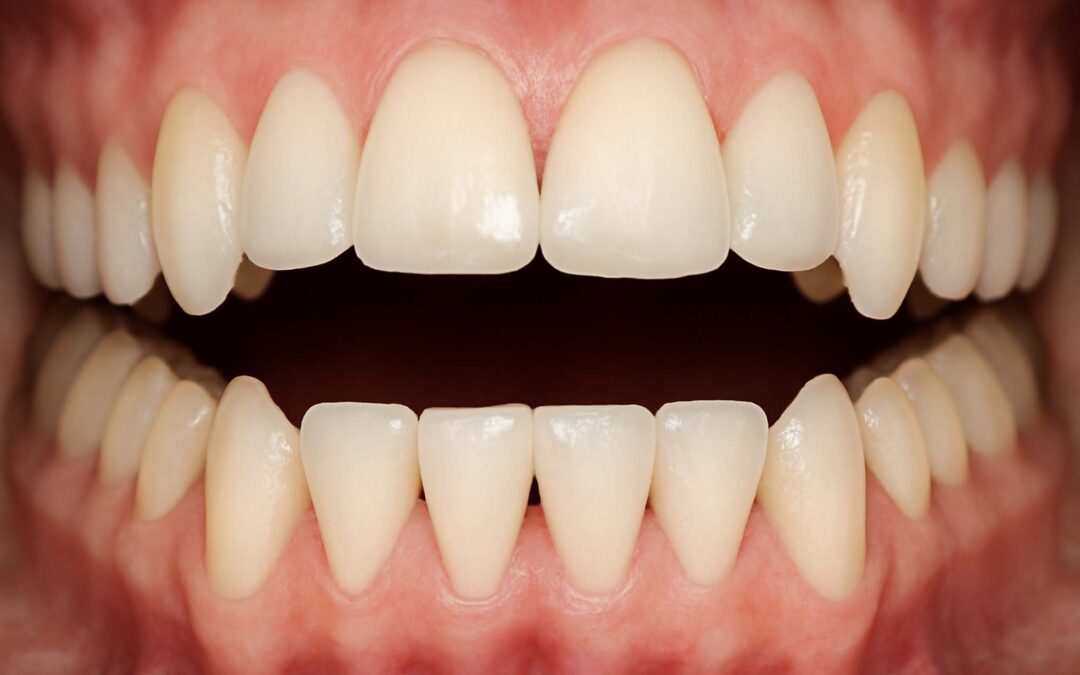
What Is an Open Bite ? An open bite is a type of malocclusion where the upper and lower teeth do not make contact when the mouth is closed, leaving a visible gap. This condition may affect either the front (anterior open bite) or back (posterior open bite) of the...
by Dr. Nooshin Ghayoumi | Apr 1, 2025 | General Dentistry
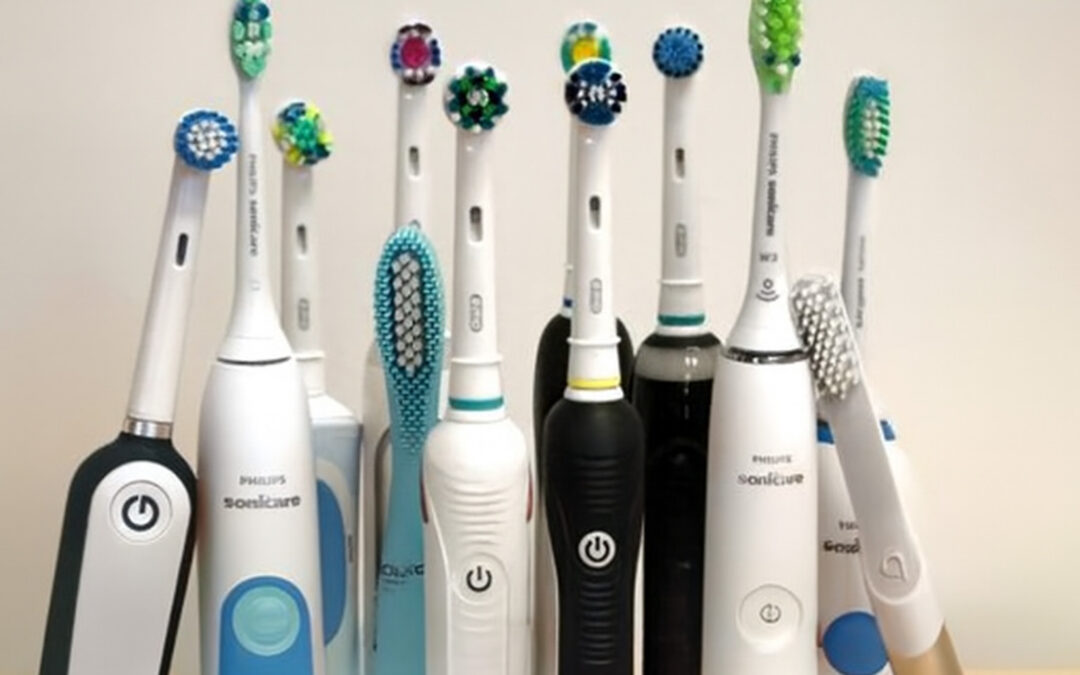
Best Toothbrush 2025 A good toothbrush should effectively cover a large tooth surface, allowing easy access for thorough cleaning, especially of the back teeth. Choose a toothbrush that feels comfortable and allows you to brush your teeth with ease. For instance, if...
by Dr. Nooshin Ghayoumi | Mar 27, 2025 | General Dentistry
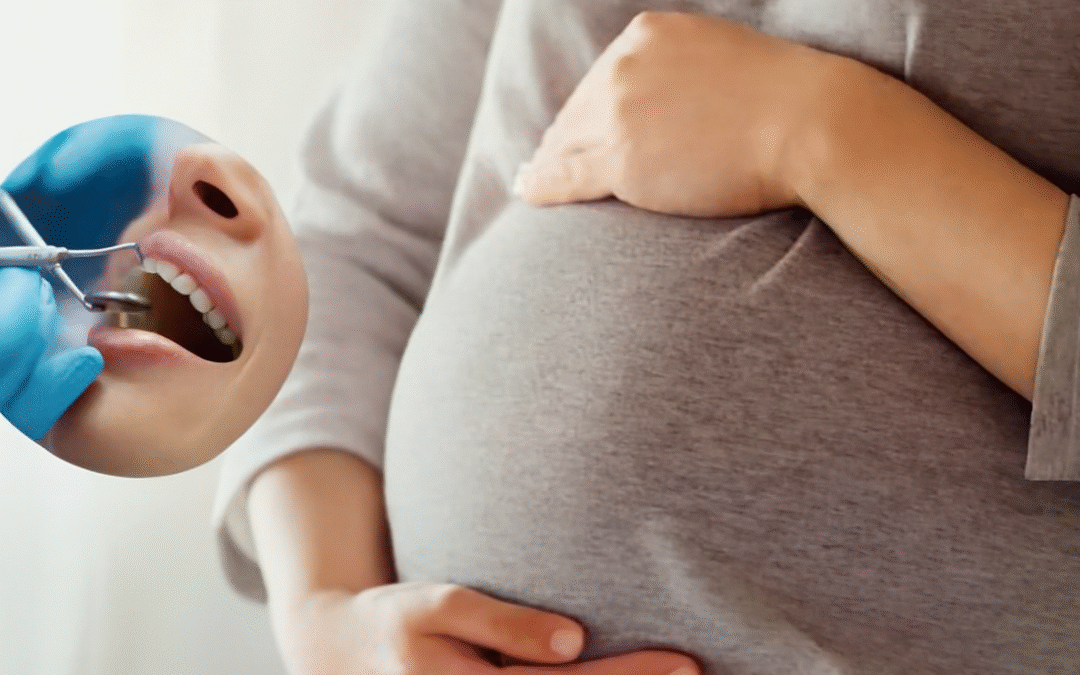
Paying attention to oral health and following oral hygiene practices are important throughout life, but maintaining oral health becomes especially critical during pregnancy. “Pregnancy hormones can cause gum tissues to become more sensitive to plaque, leading to...
by Dr. Nooshin Ghayoumi | Mar 25, 2025 | General Dentistry
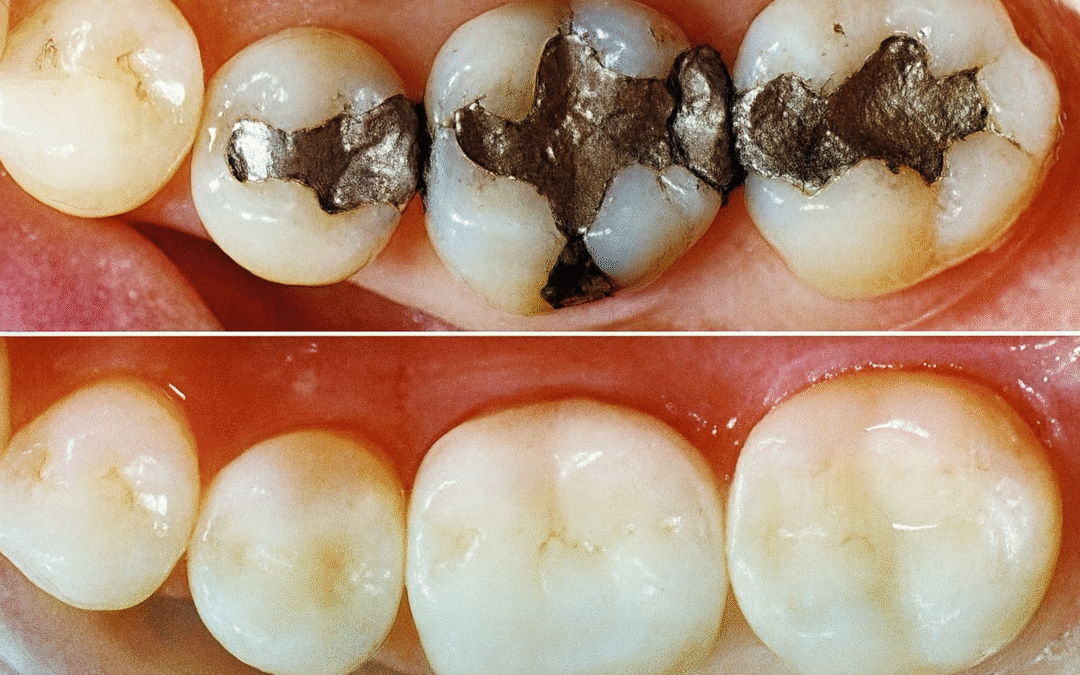
Composite or Amalgam? There are different types of filling materials, each offering its own advantages and disadvantages. The restoration itself matters. So does its relationship with the surrounding gingival tissue, particularly when decay approaches the gumline. In...
by Dr. Nooshin Ghayoumi | Mar 18, 2025 | General Dentistry
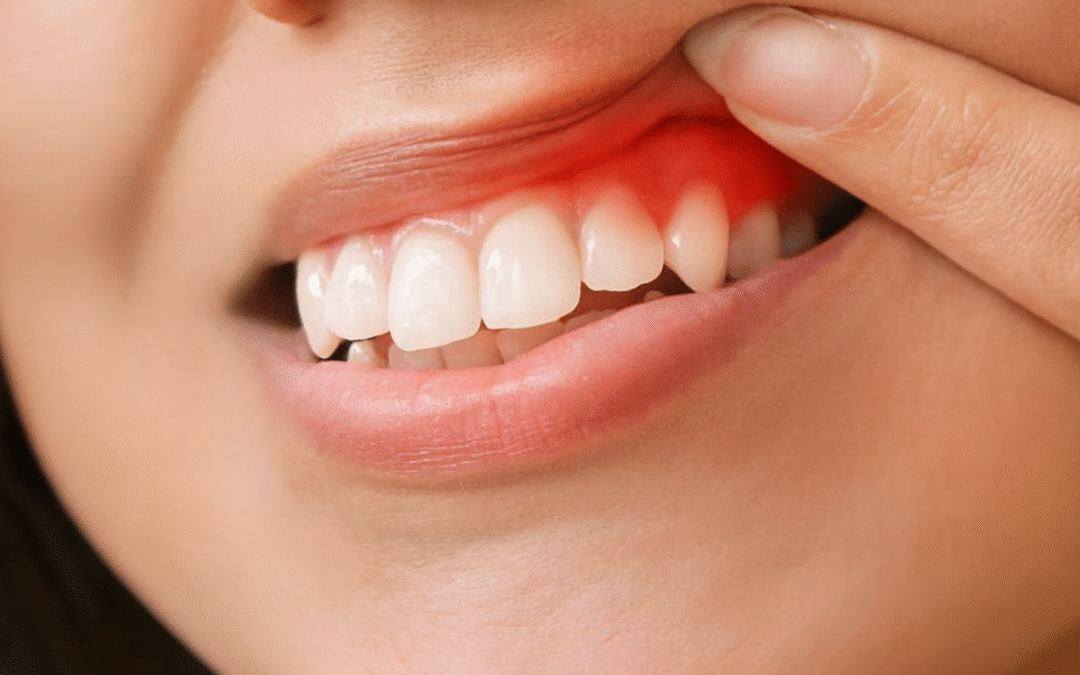
Gum disease, also known as periodontitis, is an infection that affects the soft tissues surrounding the teeth and gums. Since gum disease is progressive, it can destroy the jawbone and lead to tooth loss if left untreated. Periodontal disease is more common than you...
by Dr. Nooshin Ghayoumi | Mar 11, 2025 | General Dentistry
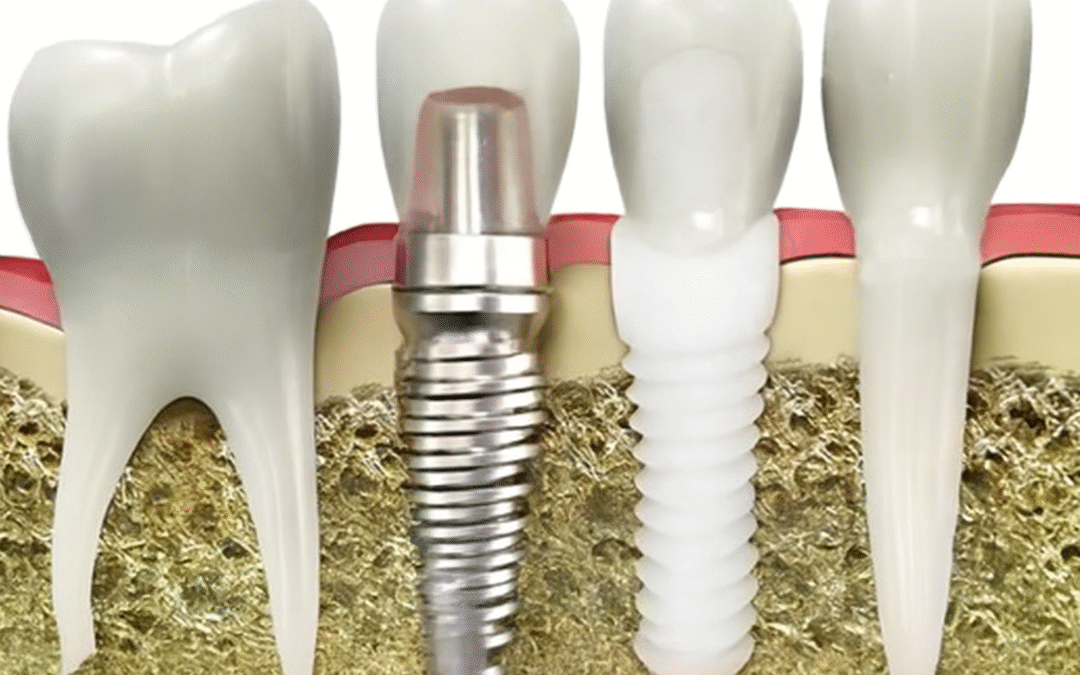
Dental implants are one of the most advanced methods of replacing missing teeth. They are designed in different types according to each patient’s needs and conditions. These differences include the implant material (titanium or zirconia), the method of tooth...
